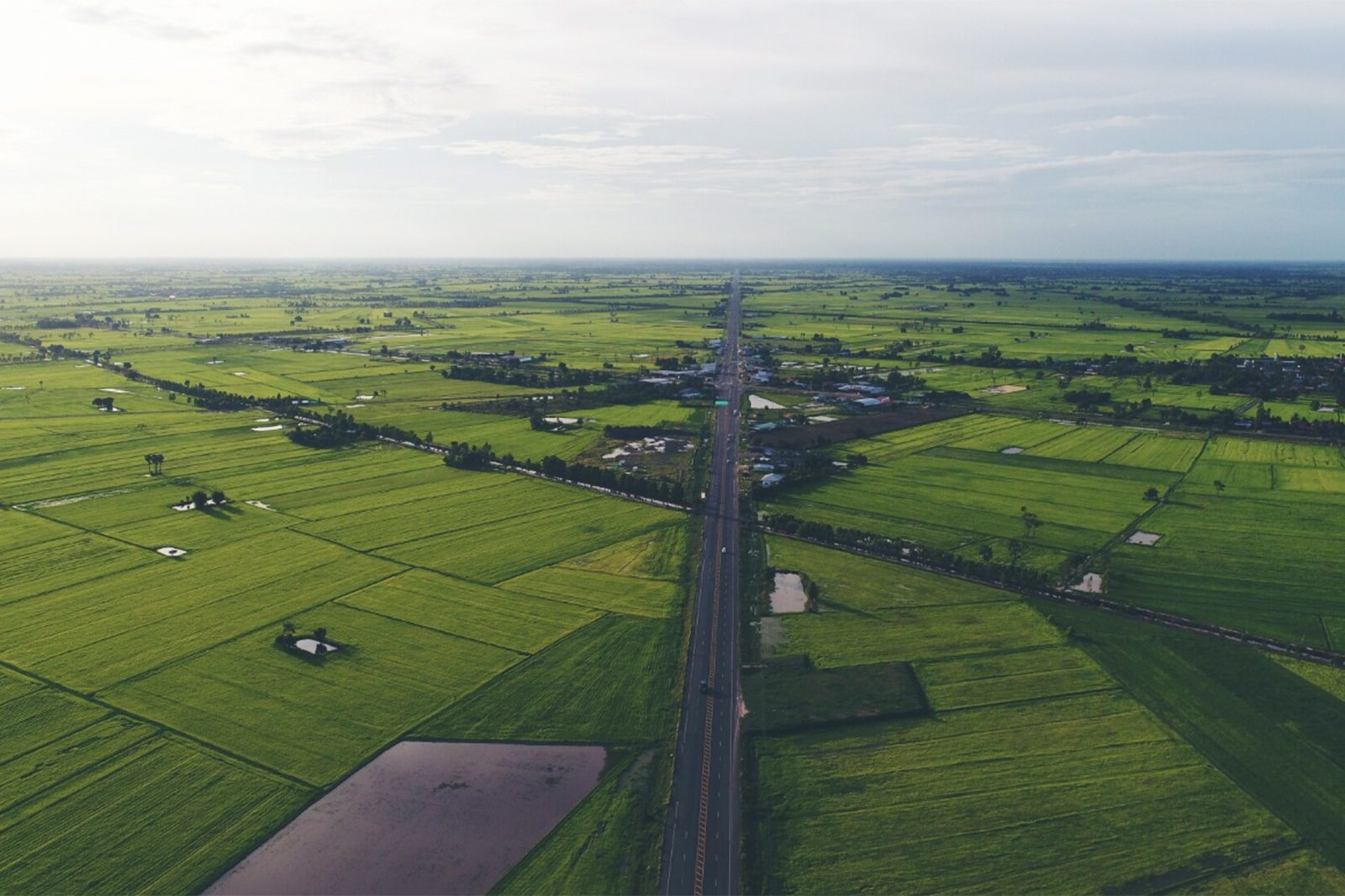
Land has a simple appeal. It does not age, and nobody is making more of it. Investors often tell us that land feels safer than other assets because "you can always see it". The reality is more demanding. Land produces no income, ties up capital and can be slow to sell. It can suit some investors well, but only if they understand what they are signing up for and have the patience to see it through.
This article is general information and not personalised financial advice. We describe the costs and trade-offs so that you can decide with clear eyes.
If the plan only works with a rapid rise in price, it is a bet and not an investment.
What land does not do
- It does not pay rent. Unlike a flat or a shop, land earns nothing while you hold it, unless you can lease it for a use that is permitted.
- It does not sell on demand. Buyers for a specific parcel can be few, and a sale may take much longer than a house.
- It does not value itself. Prices depend on use, approvals, access and what is happening around it.
- It does not forgive paperwork. A weakness in the title or the permissions stays with the land and with you.
Costs of holding
- Purchase costs. Registration charges, legal checks and any brokerage are due at the start.
- Protection. An empty plot may need fencing, boundary marking and an occasional visit, to prevent encroachment and dumping.
- Dues and charges. Check for any local charges that continue to accrue, and any charges that become payable on a change of use.
- Capital that is not working. The money tied up could have earned elsewhere. The five numbers explain why holding cost belongs in every comparison.
- Professional help. Legal, survey and advisory fees recur whenever something changes.
What drives value
- The permitted use, and the realistic chance of changing it. Understanding land use in Haryana describes how to establish what is allowed.
- Access, such as the width and condition of the approach road, and whether the access is legal and permanent.
- Surroundings, including nearby development and planned infrastructure. How to read a micro-market applies to land as well.
- Clean title, because a clouded title is hard to sell at any price. See reading land records.
- Size and shape. Regular parcels with road frontage sell more easily than irregular ones.
Who buys it from you
Always ask who the next buyer is. A plot in an approved colony has a natural buyer: someone who wants to build. A larger agricultural parcel may need a buyer with the patience and capital of a developer. A parcel with unclear use may have very few buyers at all. If you cannot name a realistic buyer today, assume that the exit will be slow.
Questions to ask before you buy
- What is the legal use of this land today, and what is the realistic chance that it changes?
- Who are the likely buyers when I want to sell, and why would they want it?
- How long have comparable parcels taken to sell nearby, and at what price against asking?
- Can I afford to leave this money untouched for longer than I plan?
- What happens if the infrastructure I am counting on is delayed or cancelled?
An illustration of the wait
Suppose land costs Rs 2 crore and you expect it to rise by a certain amount each year. Every year of waiting also has a cost: the interest you could have earned on the money, plus protection and professional fees. If the land takes two years longer to sell than you planned, those costs can cut deeply into the expected gain. The numbers here are invented to show the method, but the pattern is common. Run the same sums on your own parcel with real figures.
A reasonable approach
Treat land as a long-term holding, and keep it to a share of your portfolio you can leave alone. Pay for proper title checks and a lawyer's opinion. Be cautious about any pitch that promises a quick doubling, or that depends on an announcement that has not yet been built. Compare land with other uses of the same money, such as a rented property. Rental yield or appreciation and hold, sell or refinance explain how.
If you are an NRI
Check the rules on agricultural land before you start. What an NRI can and cannot buy explains why. Also plan how you will manage the land from abroad, and how the proceeds can come back.
Our view
Land can be a rewarding part of a portfolio for investors who have patience, clean title and a realistic exit. It is a poor choice for anyone who needs income, who is borrowing heavily or who is relying on a promised approval. If you can answer the five questions above with evidence, you are in a stronger position than most.
This is general information and not personalised financial advice. Verify each parcel's title, approvals and use before you buy. To discuss your plan, speak to an advisor.