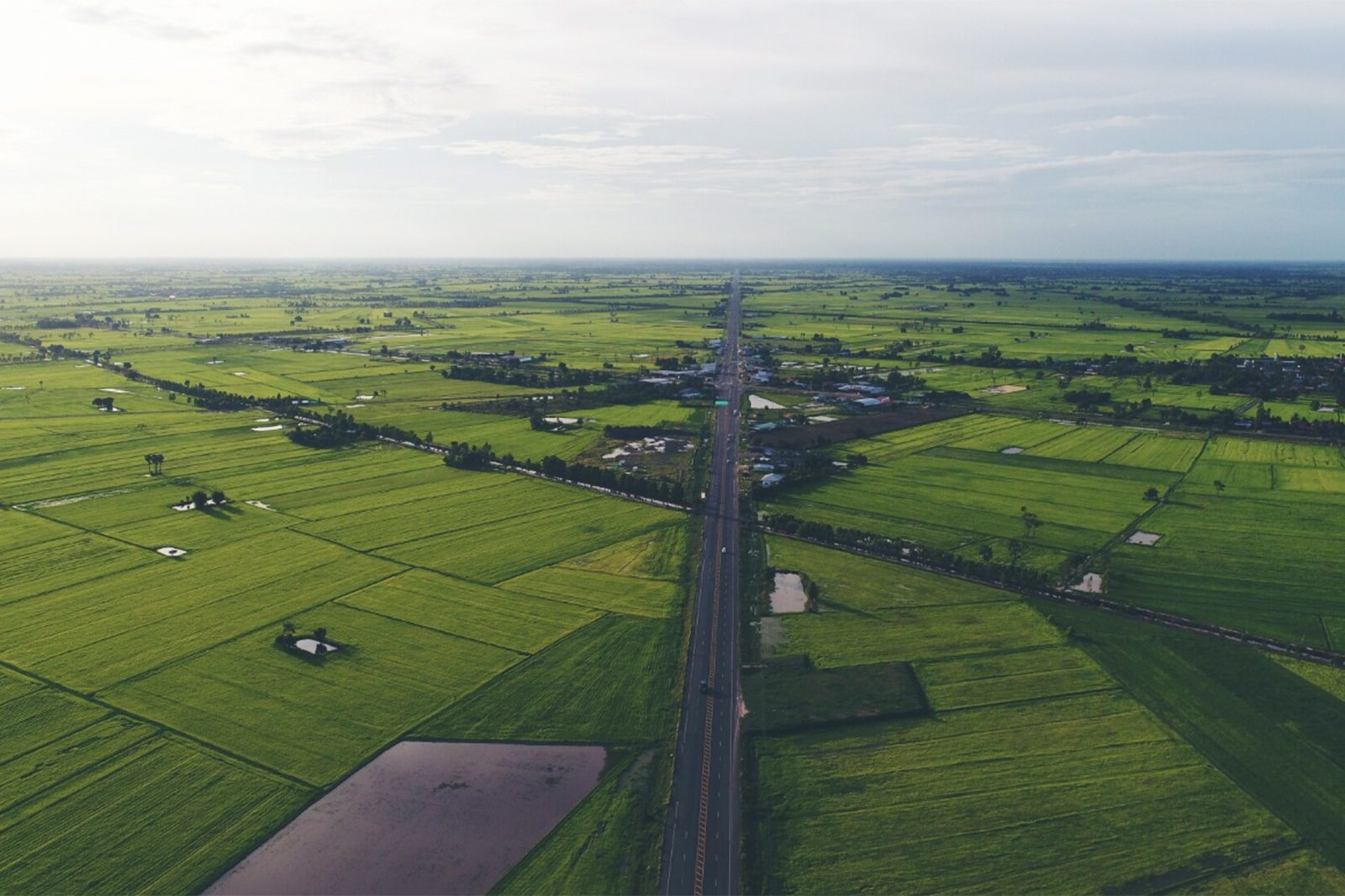
Two plots of the same size, a few hundred metres apart, can be worth very different amounts and allow very different things. The reason is almost never the soil or the view. It is land use. Before you think about price, find out what the land is officially allowed to be. In our experience this single question separates the buyers who are comfortable from those who spend years in correspondence with offices.
This article is general guidance, not legal advice. The rules differ between states and change over time, so verify with the authorities and a lawyer who handles local land matters.
If the classification does not allow what you want to do with the land, the price is not a bargain.
Why land use decides everything
Land is classified for specific purposes, such as agricultural, residential, commercial or industrial. What you may build, whether you can get a loan, whether the land can be sold freely and who may buy it all follow from that classification. In some cases, such as agricultural land, there are also limits on who can buy. For a non-resident buyer, the difference can decide whether the purchase is allowed at all. See what an NRI can and cannot buy.
Where the information sits
- The development plan for the area, which shows how the land is intended to be used over a planning period.
- Revenue records, which record ownership, area and the way the land is currently classified. Reading land records explains the main documents.
- Licences and permissions granted by the town planning authority, where land has been approved for development.
- A permission for change of land use, when agricultural land is converted for another purpose, together with any conditions and charges attached to it.
Ask for each of these in writing, and have a lawyer check them against the parcel's own details.
A few terms you will hear
Change of land use. A formal permission to use land for a purpose different from its current classification. It may carry conditions and charges, and it applies to specific land, not to an area in general.
Licence. For plotted and group housing developments, a licence from the competent authority approves the development. Licensed colony or unapproved plot explains what to look for.
Zoning in the development plan. A plan designates areas for particular uses. Land inside a zone may still need individual permissions before development.
Questions to ask the seller
- What is the current classification of this land, and where is it recorded?
- Has change of land use been granted? Where is the order, and does it match this exact parcel?
- If the land is part of a licensed project, what is the licence number and who holds it?
- Are there any conditions, charges or pending dues attached to the permission?
- Is any part of the land affected by a road, a canal, a utility line or a planned acquisition?
Ask for the answers in writing. If the seller prefers to talk, ask your lawyer to put the same questions to the seller's lawyer.
Common traps
- A promise that conversion will happen soon. Until it is granted, the land is what the records say it is.
- A plot sold from a larger parcel without approvals for the subdivision.
- A map that does not match the records. Boundaries and areas should be consistent across documents.
- Pressure to pay in advance before any document has been shown.
- A sales brochure that shows roads and parks that do not appear in any approved plan.
What it means for price
Land that is already approved for its intended use is generally worth more than land that still needs permissions. The difference reflects the time, cost and uncertainty of getting them. A price that assumes the permissions will arrive, without any evidence, is not a market price. It is a bet. If you are comfortable with that, price it as a bet. Land as an investment shows how holding costs and waiting add up.
Get it checked
A lawyer experienced in local land records can read the revenue documents and the permissions, and tell you what they actually say. Ask for the opinion in writing. The cost is small compared with the purchase price. Combine it with the other checks in what to verify before you buy land and the pre-booking checklist.
Our view
Land use is the first question and the last. Ask it at the start, check it again before you pay and keep the documents after you buy. Buyers who do this rarely have the problems that fill the courts.
General information and not legal advice. Land rules are state specific and change, so verify with the authorities and a qualified lawyer. To discuss a specific parcel, speak to an advisor.