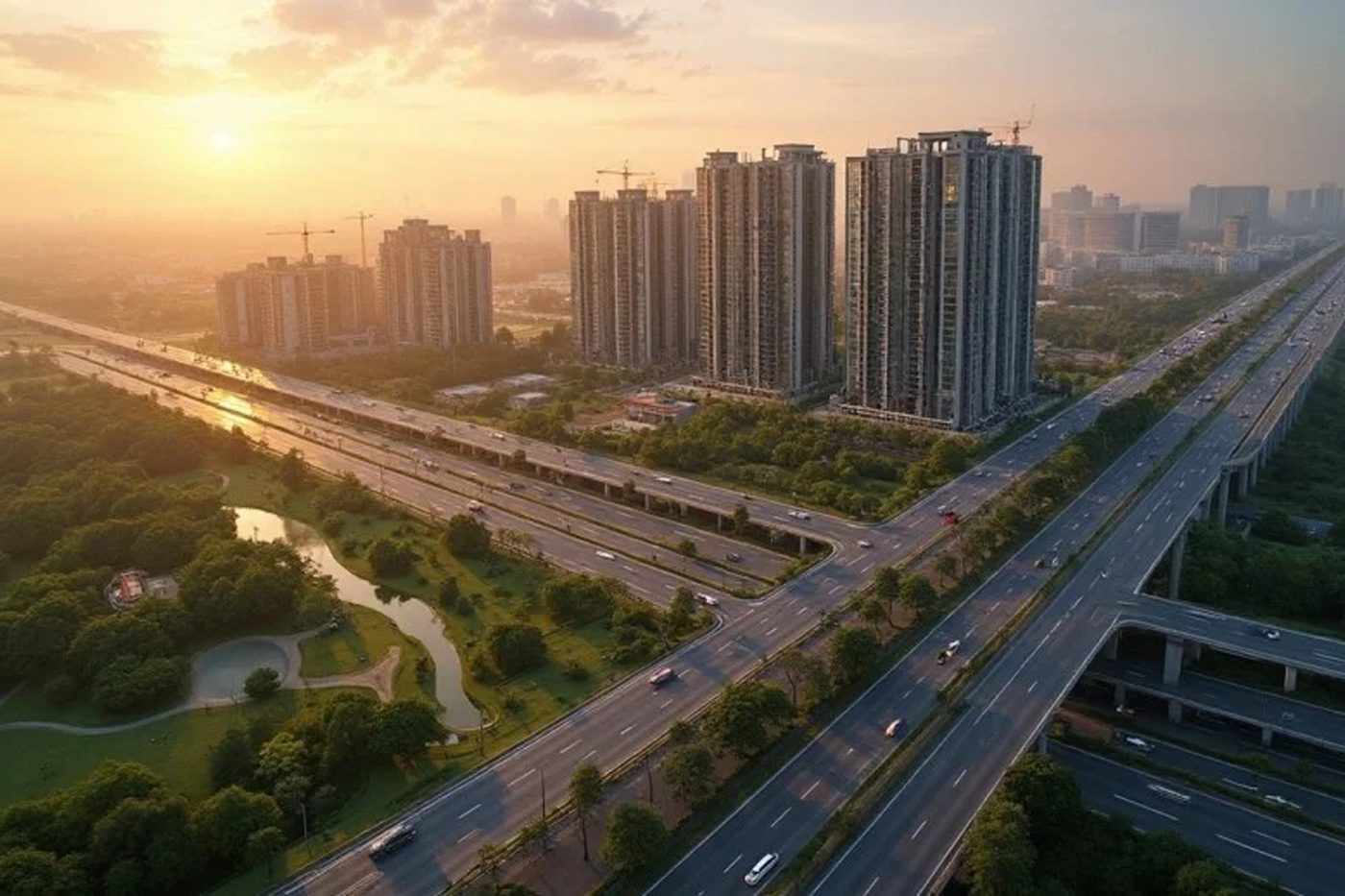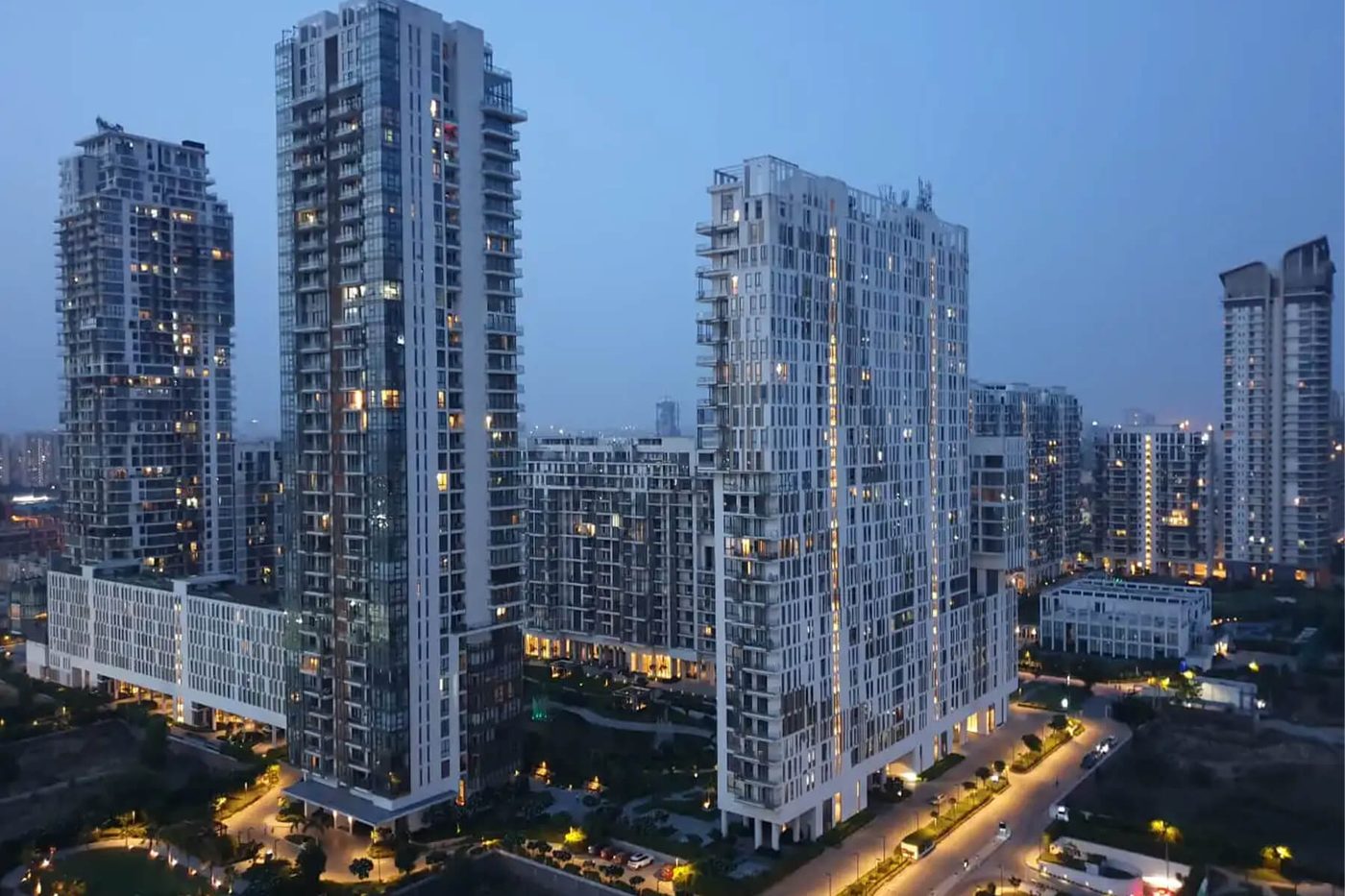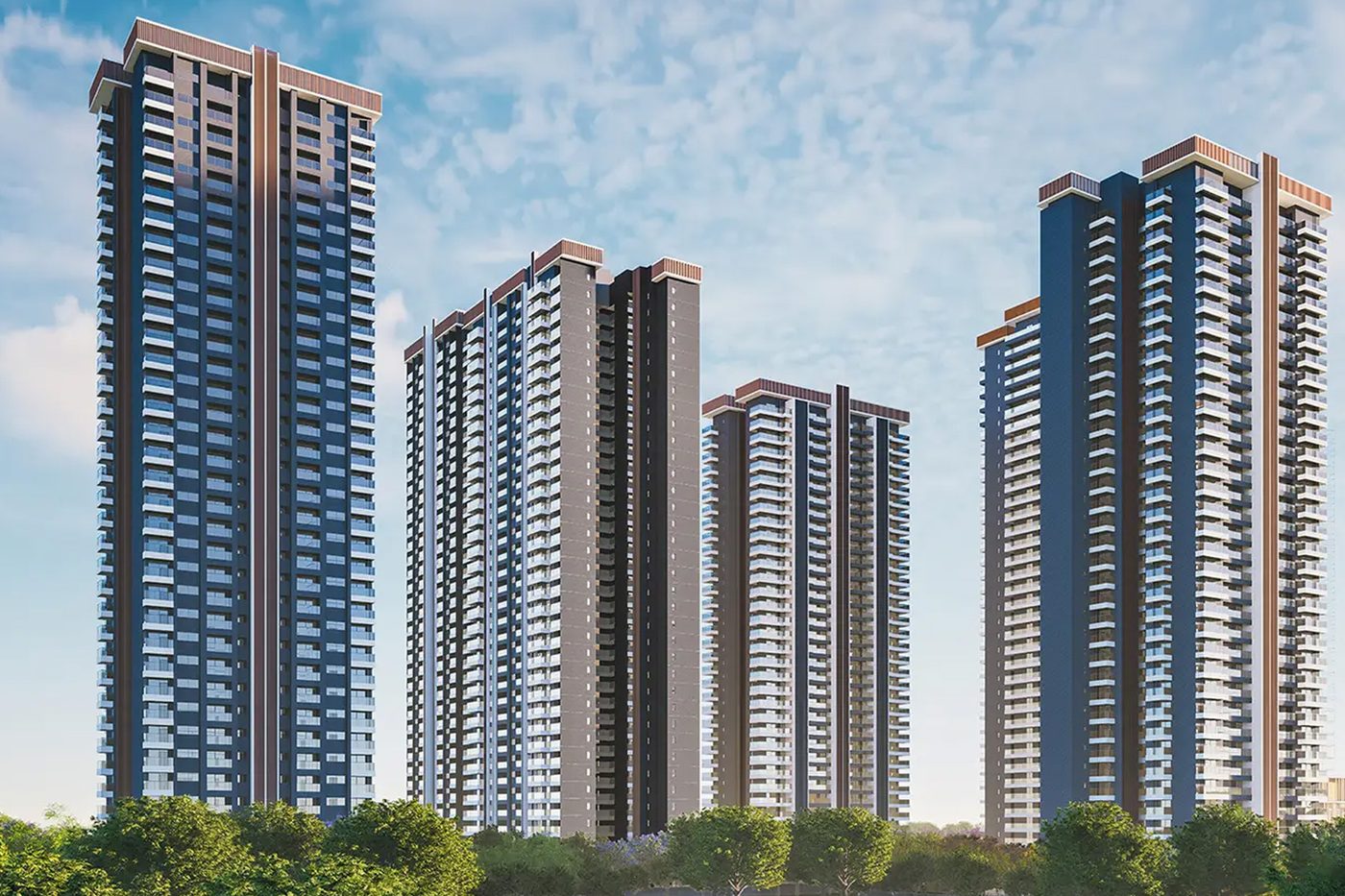
New Gurgaon generally refers to the newer residential sectors that have developed in recent years, with planned layouts and a steady pipeline of projects. For many buyers it offers modern homes and larger plans at a different price point from the older parts of the city. It also asks you to look more carefully than you would in a mature area, because "new" can be an advantage or a risk depending on how the next five years unfold.
This is general market commentary and not a recommendation. We have tried to set out the questions we think matter most, so you can answer them from your own visits and official sources.
"New" means that the neighbourhood is still deciding what it will be. Your job is to judge whether you want to be part of that decision.
What a new area can offer
- Planned layouts, wider roads and more open space than many older areas.
- Newer specifications and amenities in recent projects.
- A wide choice of apartments, builder floors and plots, depending on the sector.
- Room to grow. Neighbourhoods that are still filling in can improve as services arrive.
What to verify
- Approvals and registration. Check the project's registration status with the state regulator, and the licence for the land. The steps are in our pre-booking checklist.
- Developer record. Visit earlier projects by the same developer and speak to the residents. See what delivery looked like.
- Utilities. Ask how water and power are supplied, and who is responsible when they fail.
- Social infrastructure. Find the nearest working schools, healthcare and shops, and how long it takes to reach them.
- Access. See how you reach the main arterial roads and the airport, and test the journey at peak times. Sohna Road and the Southern Peripheral Road discuss how the main roads behave.
Living in a developing area
A developing neighbourhood often means construction nearby, an uneven feel across streets and a thin local market for services. Dust, noise and delivery trucks can be part of daily life for a while. Over time these tend to improve, though the pace is not guaranteed. Be realistic about how many years of this you are willing to accept, and what you would do if it took longer.
Resale and rent
Check how many homes are rented versus lived in, and how easily comparable units have sold. A new area can be hard to price, since there are fewer past transactions to compare. Ask your adviser for actual deals, not just listings. If few homes have resold, you are buying into a market without a price history, which raises the importance of your own holding plan.
For investors, tenant demand in a developing area depends on employment, schools and transport. The five numbers explain how to include vacancy and holding costs, which tend to be larger when an area is still filling in.
Supply is the quiet risk
A new area attracts developers, and developers add supply. When many projects launch at once, buyers get more choice and more bargaining power, and sellers face more competition at resale. Look at the approved and announced pipeline in the sector, and at how fast earlier projects have sold. How to read a micro-market gives a way to assess it.
Under construction or ready?
In a new area, many purchases are of under-construction homes. That adds delivery risk to the area's own uncertainty. Read under construction or ready to move and how payment plans work before committing. Think about what you would do if possession were a year late and the neighbourhood had not matured when you arrived.
Match it to your plan
New Gurgaon suits buyers who are comfortable with an area that is still maturing and who have some flexibility on when they move. It suits investors who can wait and who do not rely on immediate income. If you need a finished neighbourhood immediately, an older sector may suit you better. If you want a mix, consider comparing it with Golf Course Road and Golf Course Extension Road, where the established and the newer versions of a premium address sit close together.
Our view
A new area rewards patience and punishes assumptions. Check the approvals, visit the developer's earlier work, count the occupied homes and test the daily journey. If all of that is satisfactory, "new" can mean good value and modern living. If it is not, "new" is simply a polite word for "unfinished".
This is general information, not a forecast. Please verify project approvals and local conditions before you decide. To discuss a specific sector, speak to an advisor.